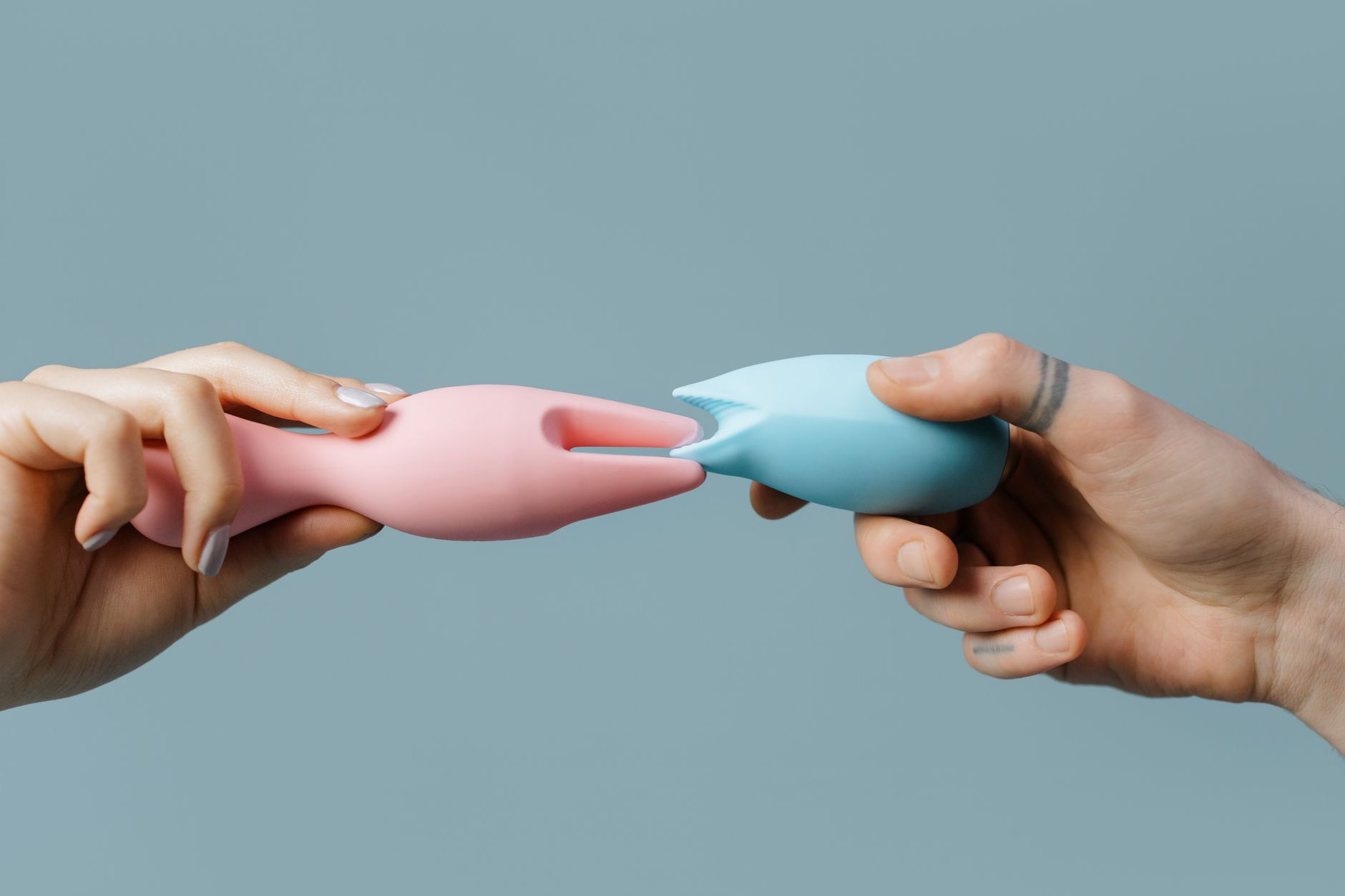
Why Lemon Vibrators Feel Different When Returning to Pleasure After Grief
Let's be real: grief doesn't just live in your heart. It lives in your body. It lives in your nervous system, your breath, and specifically for this conversation, in how your body responds to touch and sensation.
When you return to pleasure after loss, things feel different. Not wrong. Different. Understanding why matters, because the difference isn't a sign that something is broken. It's actually a sign that you're grieving in your whole self, and that's exactly how healing works.
What grief does to your nervous system
Grief keeps your body in a state of low-level alert. Your nervous system has been working overtime to process the loss, regulate your emotions, and keep you functioning. This isn't a character flaw. This is physiology.
When your nervous system is dysregulated by grief, several things happen simultaneously. Your pelvic floor tightens. Your capacity to sense pleasure dimms. Arousal takes longer to build because your brain and body are still managing the threat of loss, even if intellectually you know that threat has passed.
Clitoral vibrators like the Lem work differently in this state. Some people find they need stronger stimulation because their nervous system has tuned down sensory input. Others find they need gentler patterns because any intensity feels overwhelming. Both responses are normal. Both change as your nervous system begins to settle.
The disconnection between desire and permission
Here's something nobody talks about: grief can make pleasure feel like betrayal.
If you've lost a partner, returning to solo pleasure can come with a specific kind of guilt. "Am I supposed to feel this?" "Isn't it too soon?" "Does this mean I'm moving on too fast?" These aren't irrational. They're grief speaking. Your body knows your person is gone, and sometimes pleasure feels like evidence that you're okay with that, which terrifies you.
If you're grieving someone who wasn't a partner but still shaped your sexuality (a parent, a close friend, a child), the entanglement is different but the shame is real. Pleasure and grief shouldn't coexist, your brain insists. Except they absolutely can, and they absolutely do.
Lemon clitoral vibrators become a tool for reconnection, not because they erase this grief, but because they give your body a way to say yes to something small. Yes to sensation. Yes to your own nervous system settling. Yes to the fact that you contain both grief and aliveness at the same time.
Why sensation feels muted (and what that means)
One of the most common things I hear from people returning to pleasure after loss is "I feel numb down there." This isn't psychosomatic. Your nervous system literally dims sensation as a protective mechanism.
Think of it like this: when your body is managing grief, it turns down the volume on all inputs, not just the painful ones. Your clitoris is still there. The nerve endings are still there. But the signal reaching your brain is quieter. A lemon sucker vibrator set to a lower intensity might not register at all. You might need pattern 4 instead of pattern 1, which can feel jarring if that's not your normal.
This matters because numbness after loss often triggers more grief. "I've lost my sexuality too." "Nothing feels good anymore." It's a spiral. But numbness isn't permanent. It's your body's way of protecting itself while your nervous system recalibrates. Usually within weeks or a few months of gentle, consistent self-touch and time, sensation returns.
Here's what helps: patience. And understanding that the lemon vibrator isn't the goal. Reconnecting with your own body is. The toy is just the vehicle.
The difference between physical and emotional readiness
One complication that trips people up: your body might be ready before your heart is, or vice versa.
Your nervous system might respond to a lemon clitoral vibrator with genuine arousal while your emotions are saying "stop, it's too soon." This contradiction isn't a malfunction. It's grief being multidimensional. Your body can grieve and want pleasure at the same time. Both are true.
Conversely, you might feel emotionally ready to reconnect with pleasure, but your pelvic floor stays locked tight. Your body won't cooperate. This is also normal and also not a failure. Grief holds in the body longer than it holds in the mind. Expect that. Give yourself time.
The rhythm matters. Using a lemon sexual toy for five minutes, then stopping when emotion rises, is not a failed attempt. It's a conversation with your body. Do it again tomorrow. And the next day. Consistency matters more than duration.
Pelvic floor tension and release
Grief is incredibly common cause of pelvic floor tension that people never connect.
When you're carrying emotional weight, your pelvic floor braces. It's the same mechanism that tightens your jaw or shoulders. Your body is literally clenching. Over time, this muscular tension becomes normal enough that you stop noticing it.
When you start using a lemon adult toy again, that tight pelvic floor can make sensation feel blocked, almost numb. The vibration is happening, but your muscles are so contracted that the signal doesn't travel properly. Some people also experience sharp sensations or pain, which is your tight pelvic floor communicating that it needs to soften.
Before using a lemon vibrator, try this: lie down, put your hand on your lower belly, and breathe into it for two minutes. Imagine your pelvic floor relaxing with each exhale. This sounds simple, but it genuinely changes how sensation travels. Then use your vibrator. The difference will be noticeable.
If the tension is severe or doesn't improve, pelvic floor physical therapy is worth exploring. Not because something is wrong with you, but because grief lives in the body and sometimes the body needs professional help to release it.
When to reach out for support
Some signals that grief is getting in the way of your reconnection with pleasure and might benefit from outside help.
If you've been experiencing numbness for several months and it's not improving. If using any kind of toy triggers panic or deep shame that doesn't ease with time. If you're avoiding your own body entirely because the grief is too much. If you're returning to pleasure but also returning to self-harm patterns. These aren't failures. These are signals that talking to a therapist who specializes in grief and sexuality could genuinely help.
There's also a specific thing that happens sometimes: using a lemon vibrator or any sexual pleasure becomes a way to numb out from grief rather than process it. If you notice you're using toys compulsively, or if pleasure-seeking is starting to feel less like reconnection and more like escape, that's worth examining with someone you trust.
Your body and your grief both deserve space. Pleasure and grief can coexist. And sometimes that coexistence needs some professional support.
Moving forward with presence
Here's what I tell clients: returning to pleasure after grief isn't about getting back to how it was before. It's about meeting yourself where you are now.
Your body has changed. Your nervous system has been through something. Your capacity for sensation might be different. Your relationship to your own pleasure might need to be renegotiated. That's not loss. That's growth. That's your body becoming more honest about what it needs.
Lemon vibrators, clitoral toys, lemon suckers. All of these tools work best not as solutions to "fix" your grief-altered pleasure, but as tools for listening. For reconnection. For gently saying to your body: I see you. You're still here. We can feel good again.
Take your time. Breathe. Let your nervous system settle. And know that on the other side of this grief work, pleasure is waiting. Different, maybe. But often deeper.
People also ask
How long does it take for pleasure to feel normal again after loss?
There's no standard timeline. Most people notice their nervous system settling and sensation returning within 2-4 months of consistent, gentle reconnection with their own body. Some people need longer. Some people find that pleasure feels different and good in the new way. The key is not rushing yourself and noticing what your body is telling you, not what you think it should be telling you.
Can grief affect orgasm ability?
Absolutely. Grief can make orgasm harder to reach, feel less intense, or feel emotionally overwhelming when it does happen. Your nervous system might also climax more easily as a release valve for stress. Again, all normal. As your body processes grief, orgasm usually returns to a new baseline that might be different from before, and that's okay.
Is it normal to feel guilty about pleasure after someone dies?
Yes. Guilt is one of grief's most common companions. Your brain might interpret pleasure as "moving on," which feels like betrayal. It's not. Pleasure and grief coexist. Your body can process both. Working with a therapist who understands grief specifically helps with this guilt more than anything else.
Should I use a lemon clitoral vibrator alone or with a partner while grieving?
Whichever feels right. Solo pleasure is often easier when you're grieving because you don't have to manage anyone else's presence or expectations. But if you have a partner, reconnecting together can also be healing. The difference is intention. Are you using pleasure to reconnect, or to escape? That matters more than whether you're alone.
Why does my pelvic floor stay tight even when I'm relaxed?
Grief and trauma live in the body. Your pelvic floor can stay contracted as a protective mechanism long after your conscious mind has moved forward. Gentle breathwork, pelvic floor stretches, and sometimes professional pelvic floor physical therapy help. It's not willpower. It's nervous system regulation.
Can I use lemon adult toys the same way I did before grief?
Maybe not right away. Your body might need gentler patterns, more lubrication, longer warm-up time, or different intensity settings. That's not a step backward. It's your body communicating what it needs now. Listen to it. Your capacity will likely return as your nervous system settles, but the "before" version of pleasure might evolve into something different and honestly, often better.
If you're navigating grief and reconnecting with your own pleasure feels uncertain, we're here for questions. Reach out at /contact anytime.